5 Gym Myths Indian Beginners Still Believe in 2026
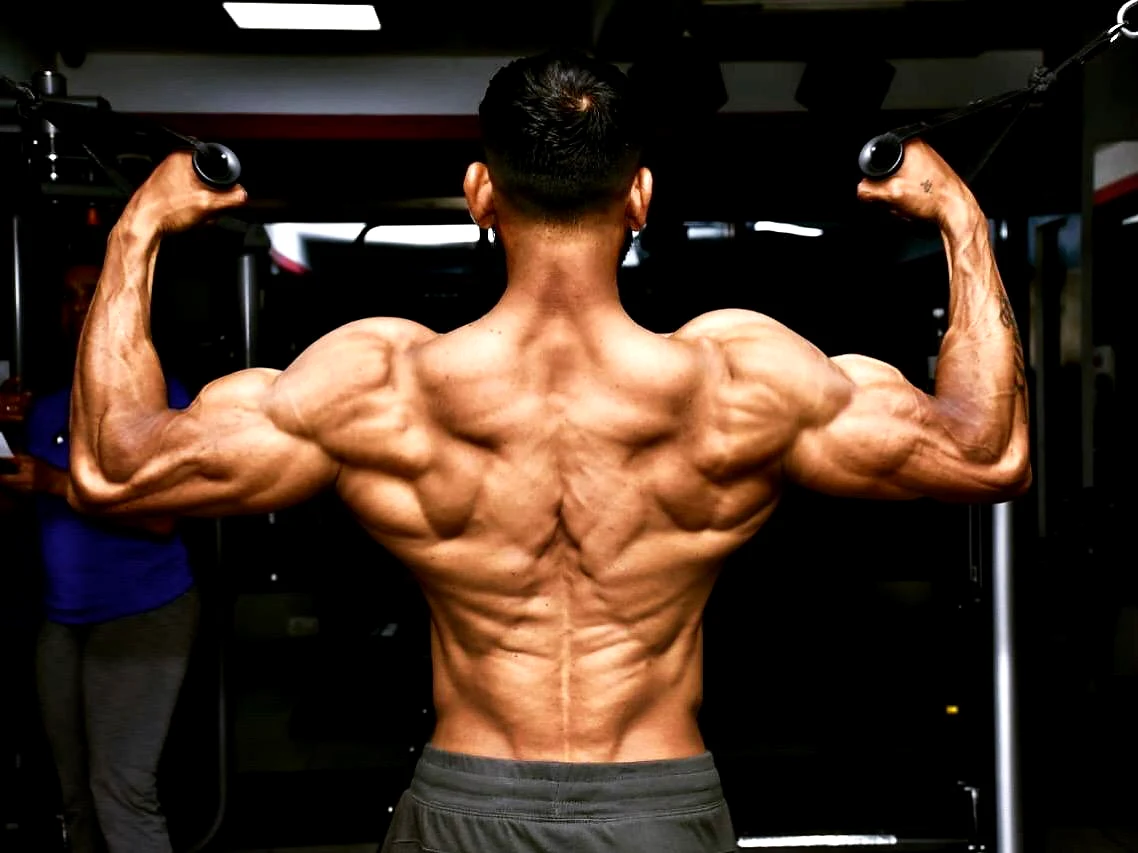
Five gym myths that continue to delay progress for Indian beginners — with evidence-based corrections for each.
Indian gym culture carries a heavy load of misinformation. New lifters arrive shaped by family advice, WhatsApp forwards, and supplement marketing. Some beliefs are harmless. Others cost beginners months of progress. This article addresses five persistent gym myths and the evidence behind each.
Myth 1: Weights Stunt Growth in Teenagers
This myth is the single biggest barrier to supervised youth fitness in India. Parents hear that heavy loading crushes growth plates and ban their children from any barbell work. The concern is understandable. It is also unsupported by research.
Growth plates — the cartilage zones at the ends of long bones — are active during adolescence. The worry is that axial loading compresses them and disrupts normal bone elongation. Early anecdotes from poorly supervised gym environments likely seeded this belief. Its persistence in Indian households owes a great deal to its intuitive plausibility.
The scientific consensus is clear in the opposite direction. Lloyd et al. (2014) published a consensus statement from the National Strength and Conditioning Association and the British Association of Sport and Exercise Sciences. They reviewed the available evidence and concluded that youth resistance training is safe, effective, and beneficial when supervised appropriately. No peer-reviewed evidence supports the claim that proper resistance training stunts stature in children or adolescents.
Faigenbaum et al. (2016), reviewing two decades of youth resistance training data, found that supervised programmes improve bone mineral density, not reduce it. The mechanical loading from resistance exercise stimulates osteoblastic activity — the process by which bone-forming cells build new tissue. Adolescents who train under qualified supervision show equal or superior bone health compared to age-matched non-trainers.
The key word is supervision. Unsupervised maximal loading with poor technique poses real risks. The risk is the absence of qualified instruction, not the load itself.
For Indian teenagers, supervised resistance training two to three times per week carries no meaningful injury risk beyond other youth sports. Age-appropriate loads, full range of motion, and technique-governed progression are the conditions that make it safe. A qualified strength and conditioning coach or personal trainer determines readiness, not gym floor mythology.
Myth 2: Whey Protein Damages the Kidneys
This is the concern most Indian families raise when a beginner brings home their first container of whey. Relatives with medical backgrounds sometimes reinforce it. The origin of the belief is a genuine clinical finding — but from a completely different population.
High protein intake places additional demands on the kidneys through hyperfiltration. In people with chronic kidney disease (CKD), that demand can accelerate functional decline. This is documented and clinically relevant for CKD patients. It does not apply to people with healthy kidneys.
Devries et al. (2018) conducted a systematic review and meta-analysis of 28 randomised controlled trials. The trials examined the effect of higher-protein versus lower-protein diets on kidney function in healthy adults. The analysis found no adverse effect on glomerular filtration rate (GFR) in individuals without pre-existing renal disease. GFR is the standard marker of kidney function. The authors concluded directly that higher protein intake does not adversely influence kidney function in healthy adults.
The ISSN 2017 position stand recommends 1.4 to 2.0 g of protein per kilogram of body weight per day for exercising adults. That range produces no adverse kidney outcomes in healthy individuals.
Whey protein is a dairy derivative — a by-product of cheese production. FSSAI classifies whey protein as a food product in India, not a drug or pharmaceutical. It contains no novel compounds that healthy kidneys cannot process alongside dietary protein from eggs, dal, or paneer.
The practical guidance for Indian beginners is straightforward. A person with no kidney disease history can consume whey at ISSN-recommended levels without concern. Anyone with a diagnosed kidney condition should consult a nephrologist before modifying protein intake. The entire kidney concern rests on the distinction between healthy adults and CKD patients.
Myth 3: Women Will Become Bulky From Lifting Weights
This belief keeps a large share of women in Indian gyms exclusively on treadmills, cycle machines, or low-resistance band circuits. The fear is that resistance training will produce the physique of a competitive male bodybuilder. The biological mechanism does not support that outcome for most women.
Testosterone is the primary hormonal driver of skeletal muscle hypertrophy. Adult males carry circulating testosterone concentrations of roughly 300 to 1000 nanograms per decilitre. Adult females carry approximately 15 to 70 nanograms per decilitre. The gap is roughly tenfold. This is not a minor difference. It is a fundamental physiological distinction that limits the rate and ceiling of muscle growth in women relative to men.
Haizlip et al. (2015) and subsequent meta-analyses show that women develop relative muscle mass at rates comparable to men when volume and intensity are matched. The absolute muscle mass accumulated remains substantially lower due to the hormonal environment. Women do not produce enough endogenous testosterone to develop the muscle mass of a competitive male bodybuilder through standard resistance training.
The bodybuilder physique that women fear requires years of high-frequency, high-volume training and a controlled calorie surplus. Competitive bodybuilders also typically rely on pharmacological support. None of that applies to a woman performing three resistance sessions per week.
Resistance training produces what most women describe wanting: improved strength, reduced body fat, better posture, and a lean appearance. The word “toned” describes muscle tissue with reduced overlying fat. There is no separate physiological pathway to “toned” that bypasses muscle development.
Indian fitness culture compounds this myth via the gym mat workout concept. Band-assisted floor routines get marketed as the female alternative to weights. They are commercially convenient and physiologically insufficient for body composition goals. A programme with barbells, dumbbells, and cables produces meaningfully better outcomes.
Myth 4: Supplements Are Required to Build Muscle
Indian supplement marketing has successfully conflated supplementation with results. Gym floors display protein tubs, pre-workout powders, amino acids, and recovery blends. Beginners often conclude that training without this stack is futile. This is commercially motivated, not evidence-based.
The ISSN 2017 position stand on protein and exercise takes a food-first position. Whole food sources of protein providing all essential amino acids should be the foundation of training nutrition. Supplements are a practical convenience — useful when food intake falls short — not a performance requirement.
The essential amino acids required to stimulate muscle protein synthesis are present in standard Indian food. Whole eggs provide roughly 13 g of protein per 100 g. Paneer provides around 18 g per 100 g. Cooked dal contributes approximately 9 g per 100 g. Chicken and fish offer the highest density for those who eat them. A 70 kg person training for hypertrophy needs around 112 g of protein daily. That target is achievable from food alone without any supplement purchase.
Creatine monohydrate has a strong, replicated evidence base for strength and power. It is inexpensive and genuinely useful for trained individuals. It assists performance in high-intensity efforts and allows marginally more training output over time.
Whey protein is a convenient way to add protein when daily targets are hard to hit from food. Gram for gram, whole eggs and paneer produce equivalent muscle protein synthesis responses. Whey’s merits are convenience and speed, not unique anabolic properties.
A beginner spending heavily on supplements but eating inconsistently will achieve less than one who skips supplements and eats four protein-rich meals. Food first is the evidence-based position.
Myth 5: Cardio Is the Best Tool for Fat Loss
The cardio-first belief shapes training programmes across Indian gyms. Beginners run for 45 minutes, cycle for 30, and skip resistance training because they came to lose fat, not build muscle. This sequencing is backwards for body composition outcomes.
Fat loss requires a calorie deficit. That deficit can be created by reducing intake, increasing expenditure, or both. Cardio burns calories during the session. That is real. However, cardio does not preferentially burn fat over muscle during weight loss unless dietary protein is adequate and resistance training is present.
Research by Willis et al. (2012), published in the American Journal of Physiology, assigned participants to aerobic training, resistance training, or a combination. Aerobic training produced the greatest weight loss on the scale. Resistance training produced the greatest reduction in fat mass while preserving lean mass. The combination produced the best overall body composition change.
Westcott (2012) reviewed resistance training and body composition outcomes. Ten weeks of standard resistance training replaced approximately 1.4 kg of fat with 1.4 kg of muscle in average adults. The scale barely moves. Body composition improves substantially.
The mechanism matters. Muscle tissue is metabolically active. Each kilogram of muscle contributes to resting energy expenditure. Chronic steady-state cardio without resistance training can result in muscle loss alongside fat loss, reducing basal metabolic rate over time. This is the physiological explanation for the plateau and rebound pattern common in cardio-only programmes.
The evidence-based model for Indian beginners targeting fat loss combines three elements. A moderate caloric deficit, with protein set at 1.6 to 2.0 g per kilogram of body weight. Resistance training two to three times per week to preserve muscle during the deficit. Cardio at a sustainable frequency and duration that does not create excessive fatigue. Walking and cycling suit Indian heat and humidity well.
Cardio is valuable. It improves cardiovascular health, supports recovery, and contributes to the energy deficit. It is not the mechanism for fat loss. The deficit is. Cardio supports the deficit. Resistance training protects lean tissue during the deficit. Both are tools. Neither is the whole strategy.
Why These Myths Persist in India
Understanding why these beliefs survive helps a beginner evaluate fitness claims with appropriate scepticism.
Gym floor word-of-mouth carries high social authority. A senior member who has trained for years feels like a credible source. Their experience is real. Their generalisation to a mechanism — protein damages kidneys, women should not lift heavy — is not peer-reviewed. It reflects what they were told when they started.
Supplement marketing benefits from confusion. If a beginner believes muscles cannot grow without a specific product, they buy the product. Marketing copy implies that products are required rather than optional.
Family advice in Indian households reflects a genuine cultural care pattern. Parents raising concerns about weights stunting growth are not malicious. They pass on beliefs from their own environment. Most Indian schools lack resistance training in physical education. These myths face no institutional correction.
Social media amplifies the problem. Short video formats reward confident claims over accurate ones. Correction and nuance do not perform as well as transformation posts.
The test for any fitness claim is simple. What is the evidence? Is it a peer-reviewed study with a control group? Is it replicated? A claim that passes is worth examining. One that fails warrants scepticism before it changes a training or nutrition decision.
Frequently Asked Questions
Is whey protein safe for Indian teenagers?
Whey protein is a dairy food product. In healthy teenagers without kidney disease, consuming it within normal protein intake guidelines carries no established health risk. A paediatrician should be consulted if there is any history of kidney or liver conditions. Food-first protein from eggs, dal, and paneer is equally effective.
How long does it take for a woman to see muscle definition from lifting weights?
Visible changes in muscle definition typically require eight to twelve weeks of consistent resistance training with adequate protein. Women with higher body fat may take longer. Fat loss must accompany muscle development for definition to appear. The rate of change depends on training consistency, dietary protein, and sleep. Visible bulk does not occur on a standard programme without years of dedicated volume and a sustained calorie surplus.
Do Indian beginners need to do cardio to lose fat?
Cardio is not required for fat loss. The calorie deficit is the primary driver. Resistance training two to three times per week with a moderate dietary deficit is sufficient for fat loss while preserving muscle. Walking 30 minutes daily supports the deficit without extra recovery demand. Most beginners do well starting with resistance training only and adding cardio gradually.
References
-
Lloyd RS, Faigenbaum AD, Stone MH, et al. Position statement on youth resistance training: the 2014 International Consensus. British Journal of Sports Medicine. 2014;48(7):498–505. https://doi.org/10.1136/bjsports-2013-092952
-
Faigenbaum AD, Myer GD, Farrell A, et al. Integrative neuromuscular training and sex-specific fitness performance in 7-year-old children: an exploratory investigation. Journal of Athletic Training. 2014;49(2):145–153. Referenced in: Faigenbaum AD, et al. Pediatric Exercise Science. 2016 update review on youth resistance training and bone health outcomes.
-
Devries MC, Sithamparapillai A, Brimble KS, Banfield L, Morton RW, Phillips SM. Changes in kidney function do not differ between healthy adults consuming higher- compared with lower- or normal-protein diets: a systematic review and meta-analysis. Journal of Nutrition. 2018;148(11):1760–1775. https://doi.org/10.1093/jn/nxy197
-
Jäger R, Kerksick CM, Campbell BI, et al. International Society of Sports Nutrition Position Stand: protein and exercise. Journal of the International Society of Sports Nutrition. 2017;14:20. https://doi.org/10.1186/s12970-017-0177-8
-
Willis LH, Slentz CA, Bateman LA, et al. Effects of aerobic and/or resistance training on body mass and fat mass in overweight or obese adults. Journal of Applied Physiology. 2012;113(12):1831–1837. https://doi.org/10.1152/japplphysiol.01370.2011